
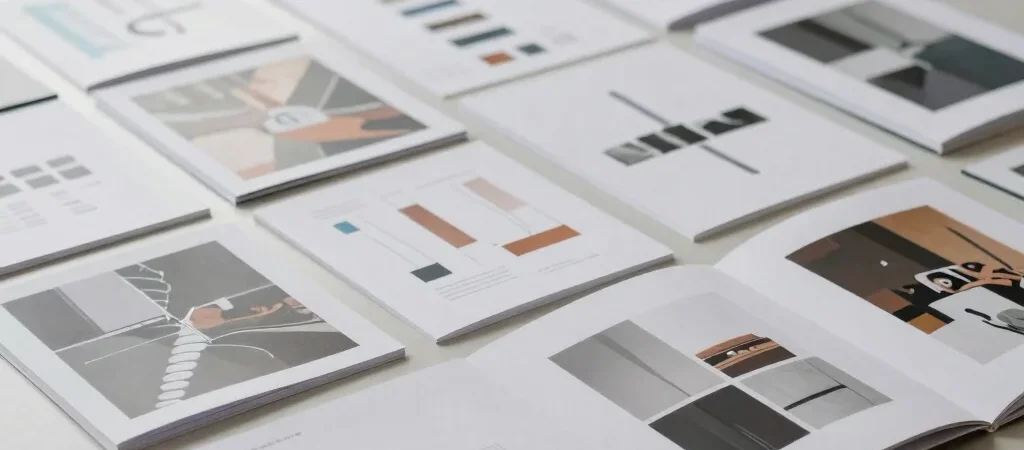
When someone opens a portfolio, they are trying to understand more than what was made. They are looking for a point of view: what I chose to include, what I want them to notice, and where a conversation might start. That is why I think of a portfolio as an edit, not an archive.
Choose for a reason
A useful selection is not always the longest or most recent one. Each piece should earn its place by showing something worth spending time with, whether that is a particular decision, a change in direction, or a question I kept returning to. If two pieces make the same point, keeping both can make the whole selection harder to read.
Give the work a sequence
The order changes what a visitor notices. I try to consider what a first piece invites someone to look for, and whether the next one adds a useful contrast or another layer. A sequence does not need to tell a grand story; it just needs to help the work feel considered rather than dropped onto a page.
Leave room for a question
A short note beside a piece can make its context easier to grasp: what I was trying to resolve, what shaped a decision, or what I would approach differently now. It should orient the reader, not explain away every ambiguity. I want the work to have room to speak for itself, with enough context for someone to respond to it.
Keep the edit alive
A portfolio is a snapshot of what I want to share now, not a permanent verdict on everything I have made. When a new piece changes the balance, I can revisit the selection and ask whether the old order still says what I mean. The practical test is simple: can someone find a piece that interests them and understand why I chose to show it?